
 Jorge
Jorge
Kicking off with Smart Family Health Tips for Preventing Childhood Obesity, this guide offers valuable insights on maintaining a healthy lifestyle for children. From healthy eating habits to the importance of physical activity, it covers essential aspects to prevent childhood obesity effectively.
Exploring different strategies and tips, this comprehensive guide aims to empower families in making informed choices for their children’s well-being.
Introduction to Childhood Obesity
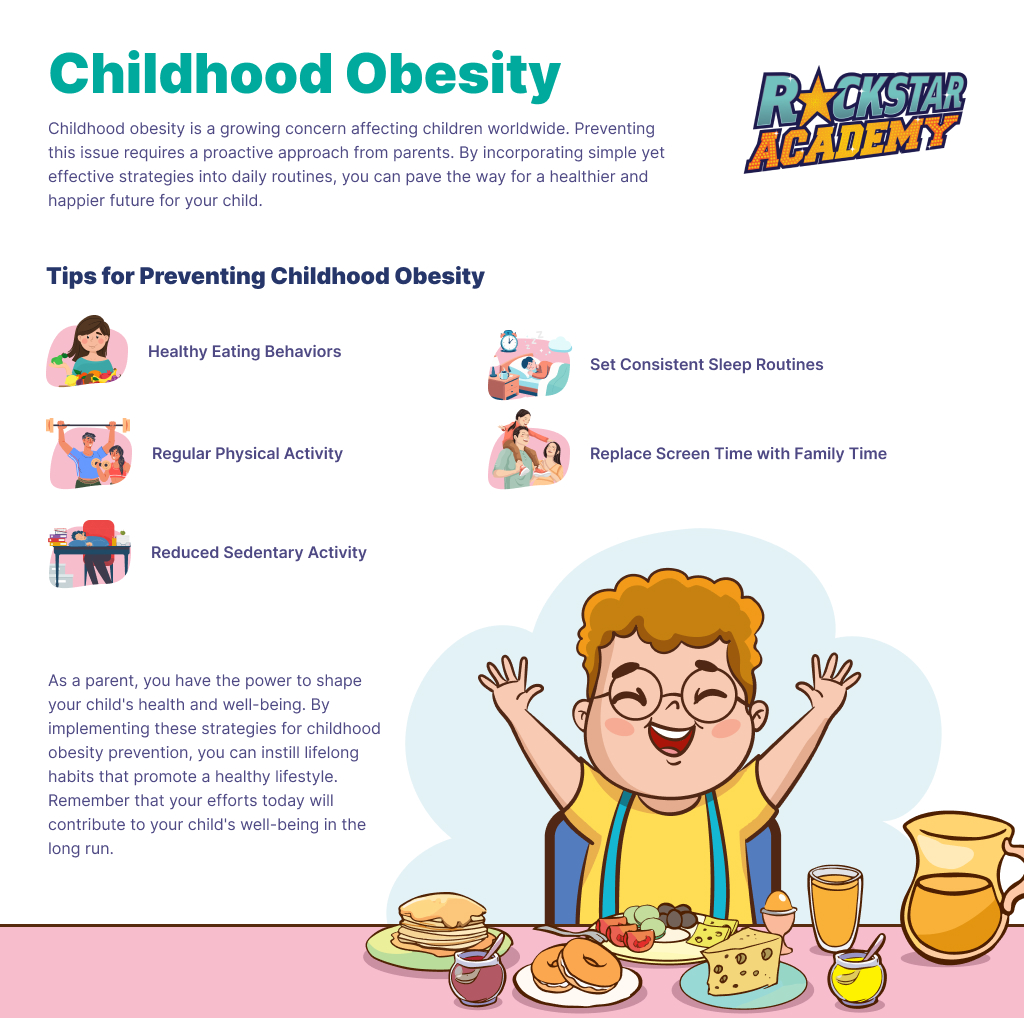
Childhood obesity is a serious health condition that occurs when a child is well above the normal weight for their age and height. This condition can have long-term implications on a child’s health, including an increased risk of developing chronic diseases such as diabetes, heart disease, and certain cancers.
Causes and Risk Factors
- Unhealthy diet high in processed foods, sugar, and fats
- Lack of physical activity and sedentary lifestyle
- Genetic factors and family history of obesity
- Social and economic factors such as limited access to healthy foods
Importance of Early Prevention Strategies
Childhood obesity prevention is crucial as it is easier to establish healthy habits in children than to try and change unhealthy habits in adulthood. Early prevention strategies include promoting a balanced diet, encouraging physical activity, limiting screen time, and fostering a supportive environment at home and school.
Healthy Eating Habits
Eating healthy is crucial in preventing childhood obesity. Parents play a significant role in shaping their children’s eating habits by providing nutritious meals and snacks and modeling healthy choices at home.
Balanced Diet Recommendations
- Include a variety of fruits and vegetables in your child’s diet to ensure they get essential vitamins and minerals.
- Offer whole grains such as brown rice, whole wheat bread, and oats for sustained energy.
- Introduce lean proteins like chicken, fish, beans, and tofu to support growth and development.
- Limit sugary drinks and opt for water or milk instead to hydrate your child without added sugars.
- Encourage portion control and mindful eating to prevent overeating.
Examples of Nutritious Meals and Snacks
Provide examples of balanced meals and snacks that are both delicious and nutritious:
- Breakfast: Greek yogurt with granola and fresh berries
- Lunch: Turkey and avocado whole wheat wrap with carrot sticks
- Snack: Apple slices with almond butter
- Dinner: Baked salmon with quinoa and roasted vegetables
Role of Parents in Modeling Healthy Eating Habits
Parents can influence their children’s eating habits by setting a positive example:
- Eat meals together as a family to promote healthy eating habits and bonding.
- Involve children in meal planning and preparation to educate them about nutritious food choices.
- Avoid using food as a reward or punishment and instead focus on nourishing the body.
- Encourage trying new foods and flavors to expand your child’s palate and promote a diverse diet.
Physical Activity and Exercise: Smart Family Health Tips For Preventing Childhood Obesity

Regular physical activity is crucial in preventing childhood obesity. It helps children maintain a healthy weight, improve their overall health, and boost their mood and energy levels. Encouraging kids to be active from a young age sets the foundation for a lifetime of good habits.
Fun and Engaging Exercises for Children
- Outdoor games like tag, hide and seek, or kickball
- Dance parties in the living room to their favorite music
- Bike rides around the neighborhood or local park
- Jumping rope or hula hooping in the backyard
Incorporating Physical Activity into Daily Routines
- Walk or bike to school instead of driving
- Limit screen time and encourage active play instead
- Involve children in household chores that require movement
- Take family walks after dinner to unwind and bond
Screen Time Management
Excessive screen time can contribute to childhood obesity by promoting sedentary behaviors and unhealthy eating habits. Children who spend more time in front of screens are less likely to engage in physical activities and more likely to consume unhealthy snacks while watching TV or using electronic devices.
Guidelines for Limiting Screen Time
- Set specific time limits for screen time each day, such as no more than 1-2 hours.
- Encourage screen-free zones in the house, like the dining room or bedrooms.
- Use parental controls to restrict access to certain apps or websites.
Promoting Other Activities
- Encourage outdoor play, sports, or other physical activities instead of screen time.
- Involve children in household chores or activities that require movement.
- Plan family outings or game nights to promote bonding and physical activity.
Screen-Free Family Time and Alternatives
- Organize a family picnic or hike in nature.
- Have a board game night or do arts and crafts together.
- Start a family book club or create a storytelling time without screens.
Sleep and Rest
Sleep and rest play a crucial role in preventing childhood obesity. Let’s dive into the relationship between sleep deprivation and obesity in children, recommendations for healthy sleep habits, and the importance of adequate rest for overall well-being and weight management.
Effects of Sleep Deprivation on Obesity
Research has shown that inadequate sleep can disrupt hormone levels, leading to increased hunger and cravings for unhealthy foods. This can result in weight gain and obesity in children. Lack of sleep also affects metabolism and energy levels, making it harder for kids to engage in physical activity.
Recommendations for Healthy Sleep Habits
- Establish a consistent bedtime routine to help children wind down and prepare for sleep.
- Create a calming environment in the bedroom by keeping it dark, quiet, and cool.
- Avoid stimulating activities before bedtime, such as screen time or sugary snacks.
- Limit caffeine intake, especially in the afternoon and evening.
Importance of Adequate Rest
Adequate rest is essential for overall well-being and weight management in children. Quality sleep allows the body to repair and regenerate, supporting proper growth and development. It also helps regulate appetite hormones and energy levels, promoting a healthy weight.
Emotional Well-being
Emotional well-being plays a crucial role in the risk of childhood obesity. Children who struggle with emotional issues may turn to food for comfort, leading to unhealthy eating habits and weight gain. It is essential to address emotional health to prevent obesity in children.
Fostering Positive Self-Esteem and Body Image
In order to foster positive self-esteem and body image in children, it is important to promote a healthy relationship with food and physical activity. Encouraging children to focus on their strengths and talents rather than their appearance can help boost their self-esteem.
Additionally, parents and caregivers can model positive behaviors and attitudes towards their own bodies to set a good example for children.
- Provide praise and encouragement for achievements beyond appearance.
- Encourage open discussions about feelings and emotions to help children process their thoughts in a healthy way.
- Teach children to appreciate their bodies for what they can do, rather than how they look.
Open Communication and Support, Smart Family Health Tips for Preventing Childhood Obesity
Open communication and support are key factors in preventing emotional eating behaviors in children. By creating a safe space for children to express their feelings and concerns, parents and caregivers can help them develop healthy coping mechanisms and avoid turning to food for comfort.
Encouraging children to talk about their emotions and providing support without judgment can help prevent emotional eating.
- Listen actively to children’s concerns and validate their feelings.
- Teach children alternative ways to cope with stress, such as exercise, art, or talking to a trusted adult.
- Create a supportive environment at home where children feel comfortable sharing their emotions.
Family Involvement and Support

Family involvement is crucial in shaping children’s health choices and promoting healthy habits. When parents actively participate and support their children, it creates a positive environment that encourages overall well-being.Creating a supportive environment for children’s health involves setting a good example through your own actions.
Parents who prioritize healthy eating, regular exercise, and proper rest are more likely to have children who adopt these habits as well.
Family Routines and Dynamics
Family routines and dynamics play a significant role in influencing children’s health choices. Consistent meal times, family activities, and open communication about health topics can help children develop a positive relationship with food, exercise, and emotional well-being.
- Establish regular family meals: Eating together as a family not only promotes healthy eating habits but also strengthens family bonds.
- Encourage physical activities: Plan fun activities that the whole family can enjoy, such as bike rides, hikes, or playing sports together.
- Limit screen time: Set boundaries on screen time for both children and parents to promote physical activity and reduce sedentary behavior.
- Communicate openly: Create a safe space for children to discuss their feelings, concerns, and health goals without judgment.
Final Conclusion
In conclusion, Smart Family Health Tips for Preventing Childhood Obesity serves as a roadmap for families to navigate the challenges of maintaining a healthy lifestyle for their kids. By incorporating these tips into daily routines, families can work towards preventing childhood obesity and promoting overall well-being.
Answers to Common Questions
How can parents encourage healthy eating habits in children?
Parents can involve children in meal planning and preparation, offer a variety of nutritious foods, and be role models by practicing healthy eating habits themselves.
What are some fun physical activities for kids to prevent obesity?
Activities like biking, swimming, dancing, and playing sports are great ways to keep children active and prevent obesity.
How does lack of sleep contribute to childhood obesity?
Sleep deprivation can disrupt hormone levels that control appetite, leading to increased food cravings and potential weight gain in children.
Why is emotional well-being important in preventing childhood obesity?
Emotional health plays a significant role in preventing emotional eating behaviors and promoting a positive relationship with food and body image in children.
How can families create a supportive environment for preventing childhood obesity?
By fostering open communication, setting healthy routines, and engaging in activities together, families can create a supportive environment that encourages healthy habits and prevents obesity.