
 Jorge
Jorge
Starting with 10 Essential Family Health Tips for a Happier and Healthier Home, embark on a journey that delves into the key aspects of maintaining a happy and healthy household.
Explore the realm of family health as it intertwines with well-being, nutrition, physical activity, mental health, preventive care, hygiene, sleep, stress management, safety, and building healthy habits together.
Importance of Family Health
Family health is the cornerstone of a happier and healthier home environment. When families prioritize their health and well-being, they not only improve their quality of life but also strengthen their bond and create a positive atmosphere for growth and development.
Impact on Overall Well-being
Maintaining good health within the family unit is essential for overall well-being. It ensures that every family member can lead a fulfilling and active life, free from the burden of chronic illnesses or preventable health conditions. By prioritizing family health, individuals can enjoy a higher quality of life and longevity.
Benefits of Promoting Healthy Lifestyle
Promoting a healthy lifestyle within the family has numerous benefits. It instills positive habits from a young age, leading to a lower risk of health issues later in life. Additionally, healthy families are more likely to engage in physical activities together, bond over nutritious meals, and support each other in making positive health choices.
By prioritizing family health, households can create a culture of well-being that extends beyond physical health to encompass mental and emotional wellness as well.
Healthy Eating Habits
Eating nutritious foods is essential for maintaining good health and well-being for the entire family. By incorporating healthy eating habits into your daily routine, you can set a positive example for your loved ones and promote a happier and healthier home environment.
Encouraging Nutritious Eating Habits
- Lead by example by choosing nutritious foods and snacks for yourself.
- Involve your family in meal planning and grocery shopping to encourage healthy choices.
- Set consistent meal times and avoid skipping meals to establish a healthy eating routine.
- Limit the intake of sugary drinks and processed foods, opting for whole foods instead.
Creating Balanced Meals for Different Dietary Needs
- Include a variety of fruits, vegetables, whole grains, lean proteins, and dairy products in your meals.
- Accommodate dietary restrictions or preferences by preparing individualized meals when necessary.
- Experiment with new recipes and ingredients to keep meals interesting and nutritious.
Involving Children in Meal Preparation and Decision-Making
- Encourage children to help with age-appropriate tasks in the kitchen, such as washing vegetables or setting the table.
- Allow kids to choose healthy snacks and meals, giving them a sense of control over their food choices.
- Teach children about the importance of balanced nutrition and how different foods benefit their bodies.
Regular Physical Activity
Regular physical activity is crucial for maintaining a healthy lifestyle for the whole family. It not only helps in keeping the body fit but also has numerous benefits for overall well-being. Incorporating exercise into daily routines can lead to a happier and healthier home environment.
Fun and Engaging Ways to Encourage Physical Activity
- Organize family dance parties where everyone can let loose and have fun while moving their bodies.
- Plan outdoor scavenger hunts or nature walks to explore the surroundings and get some exercise.
- Participate in sports activities like soccer, basketball, or volleyball as a family to promote teamwork and physical fitness.
- Set up a backyard obstacle course or relay race for some friendly competition and active playtime.
Benefits of Outdoor Activities and Sports for Family Bonding and Health
Outdoor activities and sports not only provide physical benefits but also contribute to stronger family bonds and improved mental health.
- Spending time outdoors can help reduce stress levels and improve mood for the whole family.
- Engaging in sports together fosters teamwork, communication, and mutual support among family members.
- Outdoor activities promote vitamin D absorption from sunlight, which is essential for bone health and immune function.
- Playing sports together can be a great way to create lasting memories and strengthen relationships within the family.
Mental Health and Well-being
Addressing mental health within the family setting is crucial for maintaining a happy and healthy home. Just like physical health, mental well-being plays a significant role in overall family dynamics and relationships. It is essential to promote positive mental health practices and create a supportive environment for everyone in the family.
Strategies for Promoting Positive Mental Health at Home
- Encourage open communication: Create a safe space where family members can express their thoughts and feelings without judgment. Encourage active listening and empathy.
- Establish daily routines: Consistency and structure can help reduce stress and anxiety. Create a schedule that includes time for relaxation, hobbies, and quality family time.
- Encourage healthy coping mechanisms: Teach family members positive ways to manage stress, such as deep breathing exercises, mindfulness, or engaging in physical activities.
- Support each other: Offer emotional support and validation to family members going through tough times. Show empathy and understanding, and seek professional help if needed.
- Promote self-care: Encourage self-care practices such as regular exercise, healthy eating, getting enough sleep, and taking time for relaxation and hobbies.
Preventive Healthcare Measures

Regular check-ups and preventive healthcare play a crucial role in maintaining the health of all family members. By staying proactive and taking preventive measures, you can ensure that your loved ones stay healthy and happy for years to come.
Importance of Vaccinations and Screenings, 10 Essential Family Health Tips for a Happier and Healthier Home
Vaccinations are essential in preventing serious illnesses and diseases, especially in children. By following the recommended vaccination schedule, you can protect your family from harmful infections. Additionally, regular screenings for conditions such as cancer, diabetes, and high blood pressure can help detect any health issues early on, making treatment more effective.
Tips for Staying Proactive
- Keep track of your family’s medical history and ensure that everyone is up to date on their vaccinations.
- Schedule regular check-ups with healthcare providers for preventive screenings and exams.
- Encourage healthy lifestyle habits such as exercise, proper nutrition, and stress management.
- Stay informed about the latest recommendations for preventive healthcare measures.
Hygiene and Sanitation Practices: 10 Essential Family Health Tips For A Happier And Healthier Home

Good hygiene practices are essential for maintaining a healthy home environment and preventing the spread of illnesses among family members. By instilling proper hygiene habits, you can promote overall well-being and reduce the risk of infections. Here are some tips for ensuring cleanliness and sanitation in your household.
Regular Handwashing
- Encourage family members to wash their hands frequently with soap and water, especially before eating, after using the restroom, and after coming in contact with potentially contaminated surfaces.
- Teach children the proper handwashing techniques, including scrubbing all surfaces of the hands for at least 20 seconds.
- Provide hand sanitizers in key locations around the house for quick disinfection when soap and water are not available.
Proper Cleaning and Disinfection
- Establish a regular cleaning schedule for different areas of the house, focusing on frequently touched surfaces such as doorknobs, light switches, and countertops.
- Use household disinfectants to kill germs and viruses effectively, following the instructions on the product labels for proper application.
- Ensure that bathrooms and kitchen areas are cleaned thoroughly to prevent the growth of harmful bacteria and mold.
Personal Hygiene Practices
- Encourage family members to maintain personal hygiene by bathing regularly, brushing teeth twice a day, and changing into clean clothes to avoid the spread of germs.
- Provide separate towels and toiletries for each family member to prevent the sharing of personal items that can harbor bacteria.
- Teach children the importance of covering their mouths when coughing or sneezing to prevent the spread of respiratory infections.
Quality Sleep and Rest
Having healthy sleep routines is crucial for the well-being of the entire family. Quality sleep plays a significant role in maintaining overall health and ensuring that everyone can function at their best throughout the day.
Tips for Creating a Conducive Sleep Environment:
- Avoid electronic devices before bedtime to reduce exposure to blue light, which can disrupt sleep patterns.
- Keep the bedroom cool, dark, and quiet to promote better sleep.
- Establish a regular bedtime routine to signal to the body that it is time to wind down.
- Invest in a comfortable mattress and pillows to support restful sleep.
Impact of Adequate Rest on Health:
Adequate rest allows the body to repair and rejuvenate, strengthening the immune system and improving cognitive function.
Quality sleep also plays a role in regulating mood, reducing stress, and supporting overall mental health.
Stress Management Techniques
Stress is a common factor in our daily lives, and learning effective techniques to manage it can greatly improve overall well-being. In a family setting, it is essential to have strategies in place to cope with stress and promote a harmonious environment.
Importance of Stress Management
- Engage in regular physical activity to release endorphins and reduce stress levels.
- Practice deep breathing exercises or meditation to calm the mind and relax the body.
- Encourage open communication within the family to address stressors and find solutions together.
- Set aside time for hobbies or activities that bring joy and relaxation to each family member.
- Seek professional help or counseling when needed to build coping mechanisms and resilience.
Safety and Injury Prevention
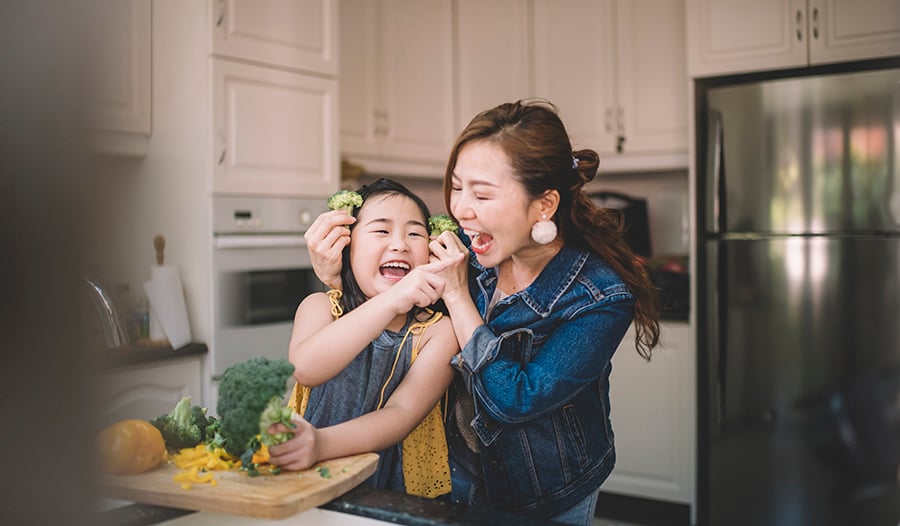
Ensuring safety and injury prevention measures within the home is crucial for the well-being of all family members. By creating a safe environment and being prepared for emergencies, you can protect your loved ones from potential harm.
Creating a Safe Environment
- Install safety gates at the top and bottom of stairs to prevent falls.
- Secure heavy furniture and appliances to the wall to avoid tipping accidents.
- Keep cleaning products, medications, and other hazardous substances out of reach of children.
- Ensure smoke alarms and carbon monoxide detectors are installed and working properly.
Emergency Preparedness and First Aid Practices
- Have a well-stocked first aid kit easily accessible in the home.
- Create a family emergency plan with designated meeting points and contact information.
- Teach children how to dial emergency services and what to do in case of fire or medical emergencies.
- Regularly practice emergency drills with the entire family to ensure readiness.
Building Healthy Habits Together
Building healthy habits as a family unit is crucial for creating a supportive environment that promotes overall well-being. By engaging in healthy behaviors together, families can strengthen their bonds, improve communication, and boost each other’s motivation to stay on track with their health goals.
Setting Health Goals as a Family
When setting health goals as a family, it’s essential to involve everyone in the decision-making process. Sit down together and discuss what areas of health each family member wants to focus on, whether it’s eating healthier, exercising more, or improving mental well-being.
By setting clear and achievable goals, families can work towards them collectively and track their progress along the way.
- Establish specific, measurable, and realistic health goals that align with the family’s values and priorities.
- Create a plan of action with actionable steps that each family member can take to contribute to achieving the goals.
- Celebrate small victories along the way to keep everyone motivated and engaged in the process.
Supporting Each Other in Maintaining a Healthy Lifestyle
Supporting each other in maintaining a healthy lifestyle involves creating a positive and encouraging environment where everyone feels empowered to make healthy choices. Families can implement the following tips to motivate and uplift each other on their health journey:
- Lead by example by demonstrating healthy habits and behaviors for others to follow.
- Communicate openly and constructively about challenges and obstacles faced in sticking to healthy routines.
- Offer words of encouragement and praise for efforts made towards achieving health goals.
- Engage in activities together that promote health and well-being, such as cooking healthy meals as a family or exercising as a group.
Final Review
In conclusion, the essence of a happy and healthy home lies in embracing these 10 essential family health tips. By prioritizing health and well-being, families can create a harmonious environment where everyone thrives.
FAQ Section
How can I encourage my family to adopt healthy eating habits?
Encourage nutritious choices, involve children in meal preparation, and cater to different dietary needs.
Why is regular physical activity important for families?
Regular exercise promotes bonding, health, and overall well-being for all family members.
What are some ways to manage stress within the family?
Implement relaxation techniques, foster resilience, and create a supportive environment.
How can I ensure safety and prevent injuries at home?
Implement safety measures, prepare for emergencies, and prioritize first aid practices.
Why is building healthy habits together as a family significant?
Setting health goals collectively and supporting each other leads to a sustainable healthy lifestyle.