
 Jorge
Jorge
Family Health Tips to Keep Kids Active and Healthy dives deep into the importance of maintaining a healthy lifestyle for children, urging parents to take charge and make a positive impact on their kids’ well-being. From physical activities to nutritious eating habits, this guide covers all the essential tips to ensure your children lead an active and healthy life.
Exploring the significance of family health, tips for keeping kids active, promoting healthy eating, managing screen time, and prioritizing mental well-being, this guide equips parents with the knowledge and tools needed to raise healthy, happy children.
Importance of Family Health

Family health plays a crucial role in ensuring the overall well-being of every member. When families prioritize health, they are more likely to lead fulfilling and active lives. Healthy habits established in childhood can have a lasting impact on long-term health outcomes, shaping individuals’ health as they grow older.
Parents, as primary caregivers and role models, play a vital role in promoting healthy lifestyles for their children.
Examples of Impactful Healthy Habits
- Regular physical activity in childhood can reduce the risk of obesity and related health issues in adulthood.
- A balanced diet early in life can lead to better eating habits and lower incidence of chronic diseases later on.
- Good hygiene practices learned in childhood can prevent the spread of infections and illnesses within the family.
Role of Parents in Promoting Healthy Lifestyles
- Setting a positive example by engaging in healthy behaviors themselves, such as exercising regularly and eating nutritious meals.
- Creating a supportive environment at home that encourages physical activity and healthy eating habits.
- Limiting screen time and promoting outdoor play to ensure children stay active and maintain a healthy weight.
Tips to Keep Kids Active: Family Health Tips To Keep Kids Active And Healthy
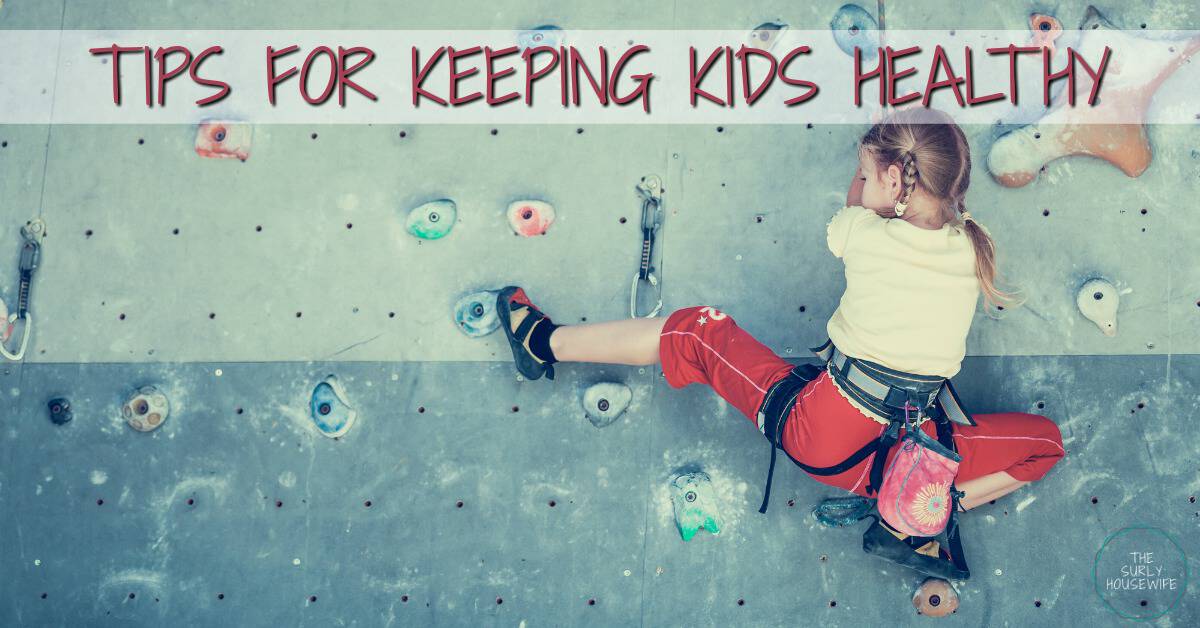
Regular physical activity is essential for children’s overall health and well-being. Here are some tips to help keep kids active and healthy:
Fun Activities to Help Children Stay Active
- Encourage outdoor play: Organize bike rides, hikes, or trips to the park to promote physical activity in a fun and engaging way.
- Enroll them in sports: Sign your child up for a sports team or class to help them stay active while learning new skills and making friends.
- Dance parties: Turn up the music and have dance parties at home to get the whole family moving and grooving.
- Obstacle courses: Set up obstacle courses in the backyard or living room to challenge your child’s agility and strength.
Benefits of Regular Physical Activity for Kids
- Improved physical health: Regular exercise can help children maintain a healthy weight, strengthen their muscles and bones, and reduce the risk of chronic diseases.
- Enhanced mental well-being: Physical activity releases endorphins, which can improve mood, reduce stress, and boost self-esteem.
- Better academic performance: Studies have shown that children who are physically active tend to have better focus, memory, and academic achievement.
Incorporating Exercise into Daily Routines
- Walk or bike to school: If possible, encourage your child to walk or bike to school to incorporate physical activity into their daily routine.
- Limit screen time: Set limits on screen time and encourage outdoor play or active games instead.
- Family workouts: Include your child in your own exercise routine or create fun family workout sessions to promote physical activity together.
Tips for Healthy Eating
Eating a balanced diet is crucial for children’s health as it provides essential nutrients for growth, development, and overall well-being. Encouraging healthy eating habits from a young age can set the foundation for a lifetime of good health.
Importance of Balanced Diet
A balanced diet includes a variety of foods from all food groups to ensure that children get the necessary nutrients such as vitamins, minerals, protein, carbohydrates, and fats. This helps in supporting their immune system, brain function, and overall energy levels.
Nutritious Meal Ideas for Kids
- Include a colorful variety of fruits and vegetables in meals and snacks to provide essential vitamins and fiber.
- Opt for whole grains like whole wheat bread, brown rice, and oats for sustained energy and fiber.
- Incorporate lean protein sources such as chicken, fish, beans, and tofu for muscle development and growth.
- Choose healthy fats like avocado, nuts, and seeds to support brain function and heart health.
- Limit sugary drinks and snacks, and instead offer water, milk, or homemade smoothies.
Strategies for Dealing with Picky Eaters
Dealing with picky eaters can be challenging, but it’s important to remain patient and persistent in offering a variety of foods. Here are some strategies to encourage healthy eating habits:
- Involve children in meal planning and preparation to increase their interest in trying new foods.
- Offer choices within healthy options to give children a sense of control over their meals.
- Be a role model by eating a variety of nutritious foods yourself.
- Set regular meal and snack times to establish a routine and avoid grazing throughout the day.
- Encourage trying new foods without pressure or punishment, and celebrate small victories along the way.
Managing Screen Time

Excessive screen time can have negative impacts on children’s health, including increased risk of obesity, decreased physical activity, disrupted sleep patterns, and potential behavioral issues. It is important for parents to set limits on screen time and encourage alternative activities to promote a healthy lifestyle for their kids.
Setting Limits for Screen Time, Family Health Tips to Keep Kids Active and Healthy
- Establish clear rules and guidelines for screen time, including specific time limits for different devices.
- Use parental controls or screen time management apps to monitor and restrict screen time usage.
- Create a screen-free zone in the house, such as the dining area or bedrooms, to promote healthier habits.
Alternative Activities to Reduce Screen Time
- Encourage outdoor play and physical activities like biking, walking, or playing sports.
- Engage in creative activities such as arts and crafts, reading, or playing musical instruments.
- Plan family activities like hiking, picnics, or gardening to spend quality time together away from screens.
Importance of Mental Health
Maintaining good mental health is just as crucial as taking care of our physical well-being. The connection between physical activity, healthy eating, and mental well-being is strong, as a healthy body contributes to a healthy mind. Promoting good mental health in children is essential for their overall development and well-being.
Open communication within the family plays a vital role in supporting mental health by creating a safe and nurturing environment for children to express their feelings and emotions.
Connection between Physical Activity, Healthy Eating, and Mental Well-being
Regular physical activity and proper nutrition not only benefit the body but also have a positive impact on mental health. Exercise releases endorphins, which are known as “feel-good” hormones that help reduce feelings of stress and anxiety. Eating a balanced diet rich in nutrients provides the brain with the necessary fuel to function optimally, improving mood and cognitive function.
Tips for Promoting Good Mental Health in Children
- Encourage open communication and actively listen to your child’s thoughts and feelings.
- Teach coping mechanisms such as deep breathing exercises or mindfulness techniques to help manage stress and emotions.
- Establish daily routines that provide structure and stability for children.
- Encourage positive self-talk and help children build self-esteem and confidence.
Importance of Open Communication within the Family
Open communication within the family fosters trust and understanding among family members, creating a supportive environment for children to express their emotions freely. By encouraging open dialogue, children feel heard and valued, which can help prevent feelings of isolation or anxiety.
Family discussions also provide opportunities to address any concerns or issues that may be affecting a child’s mental health, ensuring they receive the necessary support and guidance.
Final Wrap-Up
In conclusion, Family Health Tips to Keep Kids Active and Healthy serves as a comprehensive resource for parents looking to instill healthy habits in their children. By following the tips and strategies Artikeld in this guide, families can create a nurturing environment that fosters physical, mental, and emotional well-being for their kids.
Questions and Answers
How can I encourage my child to stay active?
Engage in fun physical activities together as a family, such as biking, hiking, or playing sports. Make it a bonding experience!
What are some nutritious meal ideas for kids?
Include a variety of fruits, vegetables, whole grains, and lean proteins in their meals. Smoothies, homemade pizzas, and veggie-packed pasta dishes are great options!
How much screen time is too much for kids?
Experts recommend limiting screen time to no more than 1-2 hours per day for children. Encourage other activities like reading, playing outdoors, or creative hobbies.
What are some signs of good mental health in children?
Positive self-esteem, good social relationships, and the ability to cope with stress are indicators of good mental health in children.