
 Jorge
Jorge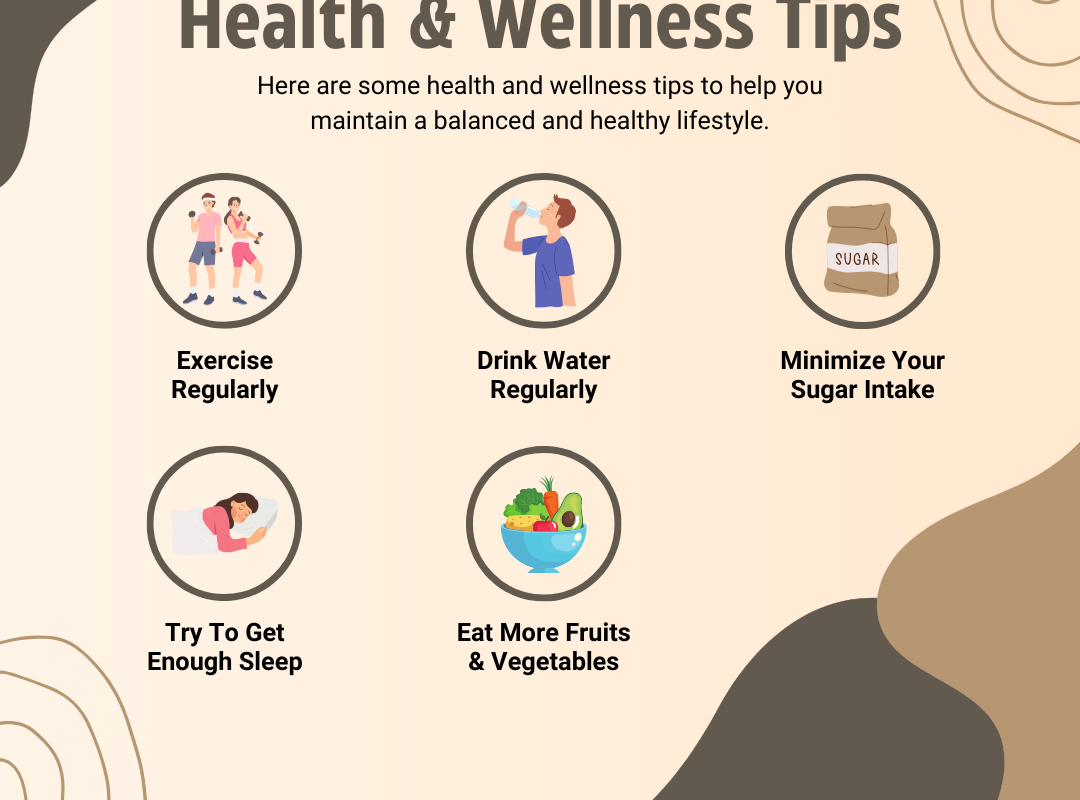
Weekly Family Health Tips to Maintain Long-Term Wellness introduces the journey towards a healthier lifestyle for the whole family, promising fun and practical advice for long-lasting well-being.
Get ready to dive into the world of family health where nutritious meals, fun exercises, mental wellness, and preventive healthcare take center stage!
Importance of Family Health
Family health is a cornerstone of long-term wellness, as it not only affects the physical well-being of each family member but also influences their emotional and mental health. By prioritizing family health, individuals can create a supportive environment that fosters overall well-being and resilience.
Impact on Individual Well-being, Weekly Family Health Tips to Maintain Long-Term Wellness
Family health plays a crucial role in shaping the well-being of each individual within the family unit. For example, children who grow up in a healthy environment are more likely to adopt healthy habits and behaviors that can last a lifetime.
Similarly, adults who prioritize their own health can serve as positive role models for their family members, encouraging them to prioritize their well-being as well.
- Family health impacts the physical well-being of individuals by promoting healthy eating habits, regular exercise, and preventive healthcare practices.
- It also influences the emotional health of family members by fostering strong relationships, open communication, and a sense of belonging.
- Mental health is another area where family health plays a significant role, as a supportive and nurturing family environment can help individuals cope with stress, anxiety, and other mental health challenges.
Promoting a Healthy Lifestyle
To promote a healthy lifestyle within the family unit, it is essential to prioritize the following strategies:
- Lead by example: Parents and caregivers should model healthy behaviors such as eating nutritious meals, staying active, and managing stress effectively.
- Encourage open communication: Create a supportive environment where family members can discuss their health concerns, share their goals, and seek help when needed.
- Establish healthy routines: Implement regular family meals, exercise sessions, and bedtime routines to promote consistency and structure in daily life.
- Seek professional guidance: Consult healthcare providers, nutritionists, or mental health professionals to address any specific health needs or concerns within the family.
Nutritional Tips for Families

Maintaining a balanced diet is crucial for the overall health and well-being of every family member. A nutritious diet provides essential nutrients that support growth, development, and overall health.
Key Nutrients for Different Family Members
- Children: Growing children need adequate amounts of protein, calcium, vitamin D, iron, and healthy fats to support their rapid growth and development.
- Teenagers: Adolescents require increased amounts of protein, calcium, iron, and vitamin D to support their growth spurts and hormonal changes.
- Adults: Adults should focus on consuming a variety of nutrients, including fiber, vitamins, minerals, and healthy fats, to support overall health and prevent chronic diseases.
- Elderly: Older adults may need extra calcium, vitamin D, vitamin B12, and protein to maintain bone health, muscle mass, and cognitive function.
Meal Planning Ideas for a Nutritious Diet
Meal planning can help ensure that your family consumes a balanced and nutritious diet. Here are some tips for creating healthy meal plans:
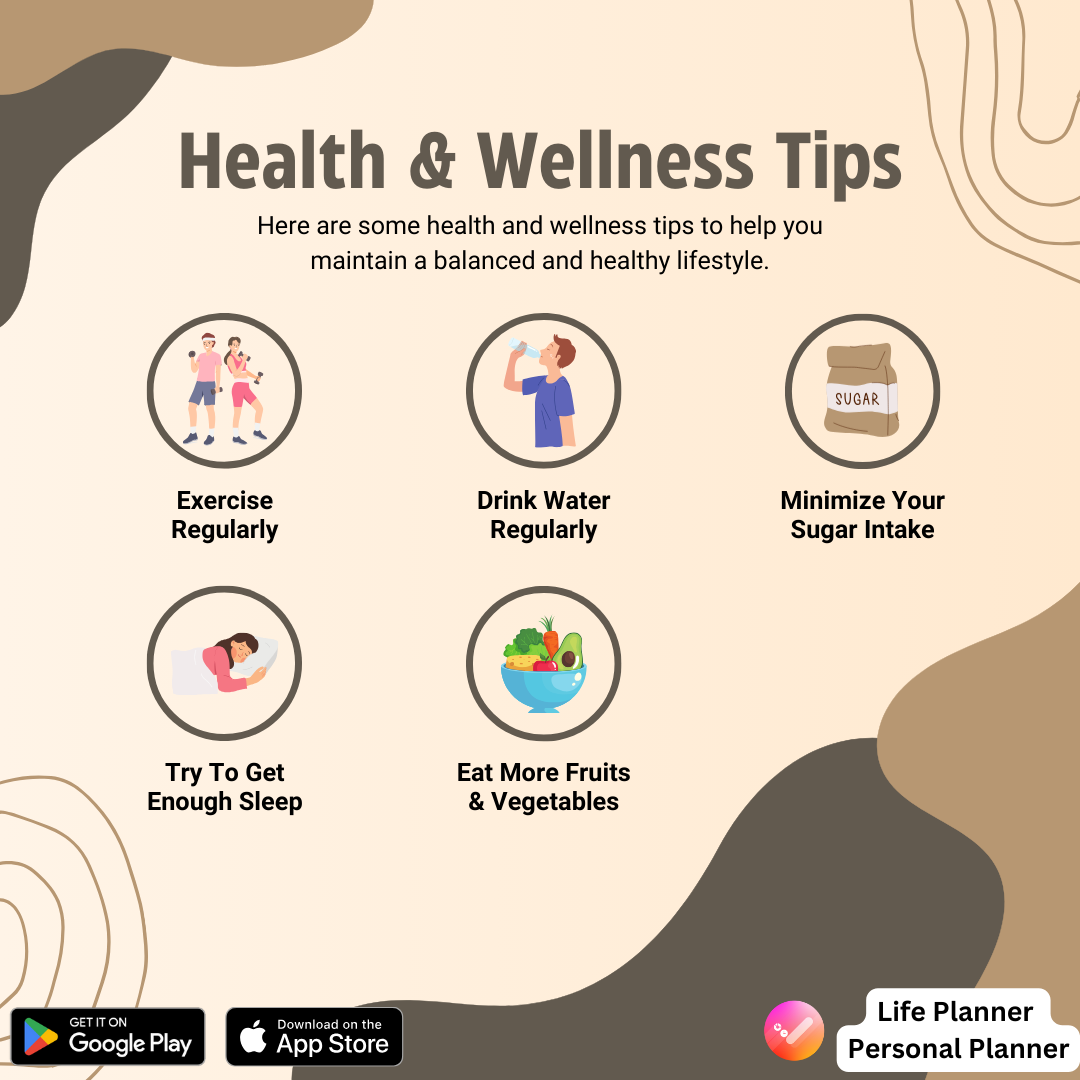
- Include a variety of fruits and vegetables in every meal to provide essential vitamins, minerals, and antioxidants.
- Incorporate lean proteins such as poultry, fish, beans, and nuts to support muscle growth and repair.
- Choose whole grains like brown rice, quinoa, and whole-wheat bread to provide fiber and sustained energy.
- Limit processed foods, sugary drinks, and high-fat snacks to reduce the intake of empty calories and unhealthy fats.
- Stay hydrated by drinking plenty of water throughout the day and limit sugary beverages.
Physical Activity Recommendations: Weekly Family Health Tips To Maintain Long-Term Wellness
Regular physical activity is essential for maintaining optimal health and well-being for families. It not only helps in preventing chronic diseases but also improves mental health, boosts energy levels, and strengthens the bond among family members. Incorporating physical activity into daily routines can be fun and engaging for everyone.
Benefits of Regular Physical Activity for Families
- Improves cardiovascular health and reduces the risk of heart disease.
- Enhances muscle strength, flexibility, and coordination.
- Helps in maintaining a healthy weight and preventing obesity.
- Boosts mood and reduces stress levels.
- Promotes better quality sleep.
Fun and Engaging Exercises for Different Age Groups
- For Children:Organize a family dance party, set up an obstacle course in the backyard, or play active games like tag or hide-and-seek.
- For Teens:Go for a family bike ride, hike together, try out a new sport, or challenge each other to a friendly competition.
- For Adults:Join a fitness class together, go for a morning walk or run, practice yoga or tai chi, or engage in strength training exercises.
- For Seniors:Take a leisurely stroll in the neighborhood, practice gentle stretching exercises, participate in water aerobics, or try out chair yoga.
Tips to Incorporate Physical Activity into Daily Family Routines
- Set aside dedicated time each day for physical activity, such as after dinner or in the morning.
- Choose activities that everyone enjoys to make it more engaging and sustainable.
- Make it a family affair by involving all members in planning and participating in physical activities.
- Set achievable goals and track progress to stay motivated.
- Encourage each other and celebrate small victories along the way.
Mental Wellness Strategies for Families
Maintaining positive mental health is crucial for long-term wellness for families. It not only affects individual well-being but also impacts the overall family dynamic. Here are some strategies to promote positive mental well-being within the family:
Open Communication
Encouraging open and honest communication within the family can help reduce misunderstandings and conflicts. Create a safe space where everyone feels comfortable expressing their thoughts and emotions.
Quality Time Together
Spending quality time together as a family can strengthen bonds and create cherished memories. Plan activities like game nights, outdoor adventures, or simple family dinners to foster connection and reduce stress.
Practice Mindfulness
Introducing mindfulness practices such as meditation, deep breathing exercises, or yoga can help family members manage stress and improve mental clarity. Encourage everyone to take a few moments each day to focus on the present moment.
Encourage Healthy Habits
Promoting healthy habits like regular exercise, balanced nutrition, and adequate sleep can positively impact mental well-being. Physical health is closely linked to mental health, so prioritize overall wellness as a family.
Seek Professional Help When Needed
If anyone in the family is struggling with their mental health, it’s essential to seek professional help. Therapists, counselors, or support groups can provide valuable resources and guidance for individuals facing mental health challenges.
Preventive Healthcare Measures
Preventive healthcare is crucial for families to maintain overall wellness and prevent potential health issues before they escalate. By taking proactive measures, families can ensure a healthier and happier future for each member.
Routine Screenings and Vaccinations
Routine screenings and vaccinations play a vital role in preventive healthcare for families. It is essential to follow the recommended schedule for screenings such as blood pressure, cholesterol, diabetes, and cancer screenings based on age and risk factors. Vaccinations are also crucial for preventing infectious diseases, especially for children, adolescents, and older adults.
Staying up to date with vaccinations can protect the entire family from serious illnesses.
- Regularly schedule screenings based on age and risk factors
- Ensure all family members are up to date on vaccinations
- Consult with healthcare providers to determine appropriate screenings and vaccines
Staying Proactive in Managing Family Healthcare Needs
To stay proactive in managing family healthcare needs, it is important to prioritize regular check-ups and screenings. Keep track of each family member’s medical history, including any allergies or chronic conditions. Encourage open communication about any health concerns or symptoms.
Additionally, maintaining a healthy lifestyle through proper nutrition, regular exercise, and stress management can significantly contribute to preventive healthcare efforts.
- Keep a record of each family member’s medical history and appointments
- Promote open communication about health within the family
- Encourage healthy habits such as balanced nutrition and physical activity
Final Thoughts
As we wrap up our discussion on Weekly Family Health Tips to Maintain Long-Term Wellness, remember that small, consistent efforts add up to significant long-term benefits for your family’s health and happiness. Stay committed, stay healthy!
FAQ Section
How can I encourage my family to adopt a healthier lifestyle?
Lead by example, involve everyone in meal planning and exercise routines, and make it fun and rewarding!
What are some easy ways to incorporate more physical activity into our family’s daily routine?
Try taking family walks after dinner, having dance parties, or playing active games together like tag or soccer.
How important is mental wellness for overall family health?
Mental wellness is crucial as it affects every aspect of our lives. Encourage open communication, practice mindfulness, and seek professional help if needed.
What preventive healthcare measures should we prioritize for our family?
Regular check-ups, vaccinations, and screenings are essential. Stay proactive and don’t ignore any symptoms or warning signs.