
 irwan irwan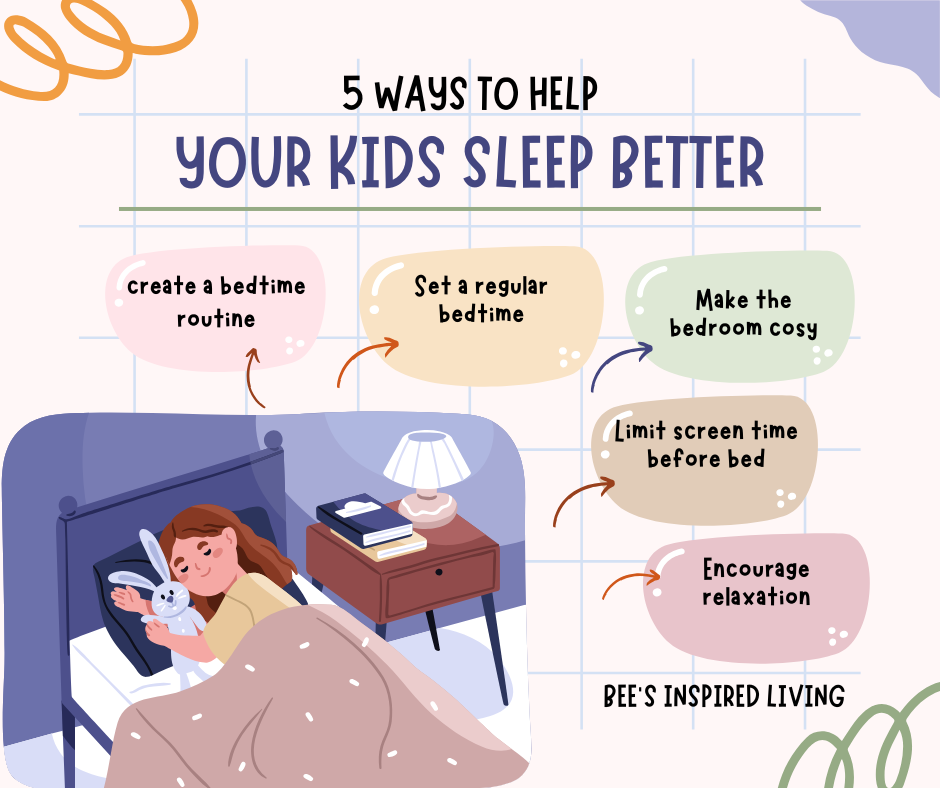
Kicking off with Family Health Tips to Improve Sleep for Parents and Children, this opening paragraph is designed to captivate and engage the readers, setting the tone traditional batak style that unfolds with each word.
Quality sleep is crucial for the health of parents and children. Inadequate sleep can have a significant impact on their overall well-being. Let’s explore practical tips to enhance sleep quality for the whole family.
Importance of Sleep for Parents and Children
Quality sleep is essential for the overall health and well-being of both parents and children. Adequate sleep plays a crucial role in various aspects of physical and mental health, contributing to overall quality of life.Inadequate sleep can have detrimental effects on the physical and mental well-being of the family.
For parents, lack of sleep can lead to increased stress, irritability, and impaired cognitive function. It can also weaken the immune system, making them more susceptible to illnesses. For children, insufficient sleep can impact their growth and development, as well as their behavior and performance in school.Research has shown that sufficient sleep is associated with numerous health benefits for both parents and children.
According to the National Sleep Foundation, adequate sleep can improve memory, concentration, and mood. It also helps regulate metabolism, reduce the risk of obesity, and strengthen the immune system. For children, proper sleep is essential for growth, learning, and development.Overall, prioritizing quality sleep for parents and children is crucial for maintaining optimal health and well-being for the entire family.
Common Sleep Issues in Parents and Children

Sleep problems are common among parents and children, impacting their overall health and well-being. Addressing these issues is crucial for maintaining a healthy family dynamic and ensuring optimal productivity.
Common Sleep Issues in Parents:
- Insomnia: Many parents struggle with falling asleep or staying asleep due to stress, anxiety, or other factors.
- Sleep Apnea: This condition can lead to interrupted sleep, snoring, and daytime fatigue in parents.
- Restless Legs Syndrome: Parents may experience discomfort in their legs that disrupts their ability to fall asleep.
Common Sleep Issues in Children:
- Newborns and Infants: Irregular sleep patterns, frequent waking for feeding, and colic can disrupt sleep for both the child and parents.
- Toddlers and Preschoolers: Transitioning from naps to a single nap or no nap, bedtime resistance, and night terrors can affect their sleep quality.
- School-Aged Children: Screen time before bed, academic stress, and sleep disorders like sleepwalking or nightmares can impact their sleep.
- Teenagers: Hormonal changes, social activities, academic pressure, and electronic device use can lead to insufficient sleep in teenagers.
Impact on Family Daily Life and Productivity:
When parents and children face sleep issues, it can have a significant impact on the family’s daily life and productivity. Parents may feel irritable, have difficulty concentrating at work, and struggle to keep up with household responsibilities. Children may exhibit behavioral issues, have difficulty focusing in school, and experience mood swings due to lack of sleep.
Overall, disrupted sleep in parents and children can lead to a strained family dynamic and decreased productivity in various aspects of life.
Establishing Healthy Sleep Habits
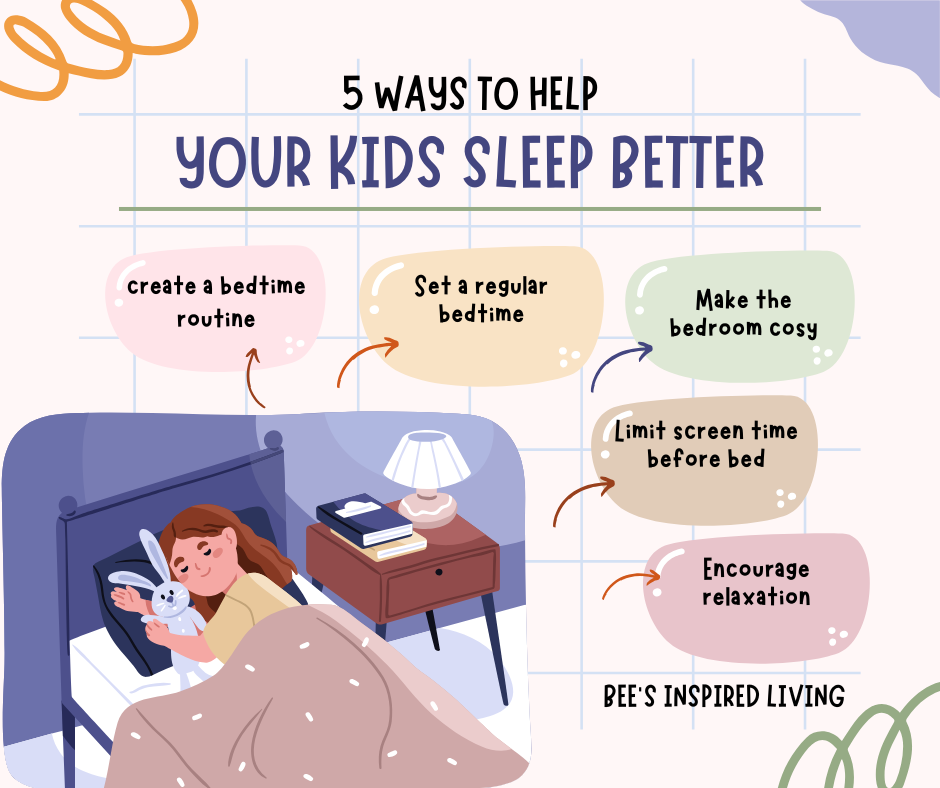
Creating healthy sleep habits is crucial for both parents and children to ensure they get the rest they need for optimal health and well-being. Establishing a bedtime routine and maintaining consistency are key factors in promoting better sleep for the whole family.
Bedtime Routine for Children
Creating a calming bedtime routine for children can help them wind down and prepare for sleep. Some tips for establishing a bedtime routine include:
- Set a consistent bedtime and wake-up time to regulate the body’s internal clock.
- Include relaxing activities before bed, such as reading a book or taking a warm bath.
- Avoid stimulating activities like screen time or rough play close to bedtime.
- Create a comfortable sleep environment with a cool, dark, and quiet room.
Improving Sleep Hygiene for Parents
Parents also need to prioritize their own sleep hygiene to set a positive example for their children. Some strategies for improving sleep hygiene include:
- Establish a relaxing bedtime routine for yourself, such as reading or meditating before bed.
- Avoid caffeine and heavy meals close to bedtime to prevent sleep disturbances.
- Create a sleep-conducive environment by keeping the bedroom dark, quiet, and cool.
- Avoid screen time at least an hour before bed to reduce exposure to blue light that can interfere with sleep.
Role of Consistency and Structure
Consistency and structure are essential in maintaining healthy sleep habits for the whole family. By sticking to a regular sleep schedule and bedtime routine, parents and children can improve their sleep quality and overall well-being. Consistent sleep patterns help regulate the body’s internal clock and promote better sleep quality.
Nutrition and Exercise for Better Sleep
Proper nutrition and regular exercise play a crucial role in promoting better sleep for both parents and children. The foods we eat and the physical activities we engage in can impact the quality of our sleep and overall well-being.
Nutrition Recommendations for Better Sleep
- Include foods rich in tryptophan, such as turkey, nuts, and seeds, as it helps in the production of serotonin, a neurotransmitter that regulates sleep.
- Avoid heavy meals close to bedtime to prevent indigestion and discomfort during sleep.
- Opt for complex carbohydrates like whole grains, fruits, and vegetables, which can promote the release of serotonin and melatonin, hormones that regulate sleep-wake cycles.
- Stay hydrated throughout the day but reduce fluid intake before bedtime to prevent frequent trips to the bathroom that can disrupt sleep.
Exercise Recommendations for Better Sleep
- Engage in regular physical activity during the day, such as walking, jogging, or yoga, to promote better sleep quality.
- Avoid vigorous exercise close to bedtime, as it can increase alertness and make it harder to fall asleep.
- Establish a consistent exercise routine to help regulate your body’s internal clock and improve overall sleep patterns.
- Consider relaxation exercises like deep breathing or stretching before bedtime to help calm the mind and body for better sleep.
Importance of Timing Meals and Physical Activity
Proper timing of meals and physical activity is essential for enhancing sleep quality. Eating heavy meals too close to bedtime can lead to indigestion and disrupt sleep. Similarly, engaging in intense exercise right before bed can stimulate the body and make it difficult to unwind for sleep.
By scheduling meals and physical activity earlier in the day, you can ensure that your body has enough time to digest food and relax before bedtime, promoting better sleep overall.
Managing Stress and Anxiety for Improved Sleep: Family Health Tips To Improve Sleep For Parents And Children

Stress and anxiety can significantly impact the quality of sleep for both parents and children. Finding effective strategies to manage these emotions is crucial for promoting better sleep hygiene. Here are some techniques to help parents and children relax and unwind before bedtime.
Parental Strategies, Family Health Tips to Improve Sleep for Parents and Children
- Practice relaxation techniques such as deep breathing exercises or progressive muscle relaxation to calm the mind and body before bedtime.
- Engage in mindfulness activities like yoga or meditation to reduce stress levels and promote a sense of calmness.
- Establish a bedtime routine that includes activities to help you unwind, such as reading a book, taking a warm bath, or listening to calming music.
- Limit exposure to screens and electronic devices before bedtime, as the blue light emitted can interfere with the production of melatonin, a hormone that regulates sleep.
Child-Friendly Techniques
- Encourage your child to practice deep breathing exercises or guided imagery to relax their mind and body before bedtime.
- Create a soothing bedtime routine that includes activities like reading a bedtime story, cuddling, or gentle stretching exercises.
- Use calming essential oils or a nightlight to create a relaxing environment in your child’s bedroom.
- Teach your child simple mindfulness practices, such as focusing on their breath or body sensations, to help them stay present and calm before sleep.
Final Summary
In conclusion, prioritizing healthy sleep habits can lead to improved well-being for parents and children. By following these tips and making sleep a priority, families can enjoy better health and quality of life.
FAQ Compilation
How does sleep affect the health of parents and children?
Sleep plays a crucial role in maintaining overall health by promoting physical and mental well-being.
What are some common sleep challenges faced by parents and children?
Parents often struggle with insomnia, while children may face issues like bedtime resistance or night terrors.
How can nutrition and exercise improve sleep quality?
A balanced diet and regular physical activity can positively impact the quality of sleep for both parents and children.
What strategies can help parents and children manage stress for better sleep?
Practicing relaxation techniques such as mindfulness and deep breathing can help reduce stress and improve sleep quality.