
 irwan irwan
Top Family Health Tips to Prevent Common Illnesses sets the stage for a journey towards holistic well-being, emphasizing the power of simple yet effective strategies in maintaining a healthy family unit. From balanced diet suggestions to exercise recommendations and hygiene practices, this guide aims to equip families with the knowledge needed to prevent common illnesses and foster a thriving household.
Importance of Family Health

Family health plays a crucial role in ensuring the overall well-being of each individual within the household. When the family unit prioritizes health, it sets a strong foundation for preventing common illnesses and promoting a healthy lifestyle for everyone involved.
Here are some reasons why family health is so important:
Preventing Common Illnesses
- Healthy family habits, such as regular exercise, balanced nutrition, and proper hygiene practices, can significantly reduce the risk of infections and diseases.
- By promoting a healthy environment at home, families can limit exposure to harmful pathogens and contaminants that may lead to illnesses.
- Regular health check-ups and screenings for family members can help detect any potential health issues early on, allowing for timely intervention and treatment.
- Encouraging open communication about health concerns within the family can lead to better support and understanding, fostering a sense of teamwork in maintaining well-being.
Impact on Individual Health, Top Family Health Tips to Prevent Common Illnesses
- When each family member prioritizes their health, it creates a ripple effect that benefits the entire household, as individuals are more likely to support and motivate each other in making healthy choices.
- Family health habits can influence the mental and emotional well-being of individuals, leading to reduced stress levels and improved overall quality of life.
- Children who grow up in a health-conscious environment are more likely to adopt healthy habits themselves, setting them up for a lifetime of good health and well-being.
- Strong family relationships built on a foundation of health and wellness can provide a sense of security and stability, which is essential for maintaining good mental and emotional health.
Balanced Diet Tips
Eating a balanced diet is essential for maintaining good health and preventing common illnesses. By incorporating a variety of nutrients into your meals, you can ensure that your family is getting the necessary vitamins and minerals to stay healthy.
Essential Nutrients for a Balanced Diet
- Protein: Needed for growth and repair of tissues.
- Carbohydrates: Provide energy for daily activities.
- Fats: Important for brain function and hormone production.
- Vitamins: Essential for various bodily functions.
- Minerals: Help regulate body processes and maintain overall health.
Incorporating Fruits and Vegetables
It is important to include a variety of fruits and vegetables in your meals as they are rich in vitamins, minerals, and antioxidants. These nutrient-dense foods can help boost the immune system and reduce the risk of chronic diseases.
Meal Planning for a Balanced Diet
Meal planning can help you make healthier food choices and ensure that your family is eating a balanced diet. By preparing meals in advance, you can control portion sizes, avoid unhealthy fast food options, and save time and money in the long run.
Regular Exercise Recommendations
Regular exercise is crucial for maintaining good health and preventing illnesses. It not only helps in managing weight but also boosts immunity, improves cardiovascular health, and enhances overall well-being. For families, incorporating physical activities into their daily routine can be a fun way to bond and stay healthy together.
Family-Friendly Physical Activities
- Go for a family walk or hike in the neighborhood or local park.
- Play outdoor games like soccer, basketball, or tag.
- Take family bike rides in the evenings or weekends.
- Sign up for family dance classes or have dance parties at home.
Benefits of Regular Exercise
Regular exercise offers numerous benefits, including:
- Improved cardiovascular health and reduced risk of chronic diseases like heart disease and diabetes.
- Enhanced mood and mental well-being by releasing endorphins, the feel-good hormones.
- Boosted immune system, making the body better equipped to fight off infections and illnesses.
- Increased energy levels and better sleep quality.
Tips for Incorporating Exercise into a Family’s Routine
- Schedule family workout sessions at a set time each day to make it a habit.
- Make it fun by turning exercise into a game or challenge for the whole family.
- Set achievable fitness goals and track progress together to stay motivated.
- Encourage outdoor play and limit screen time to promote physical activity.
Hygiene Practices

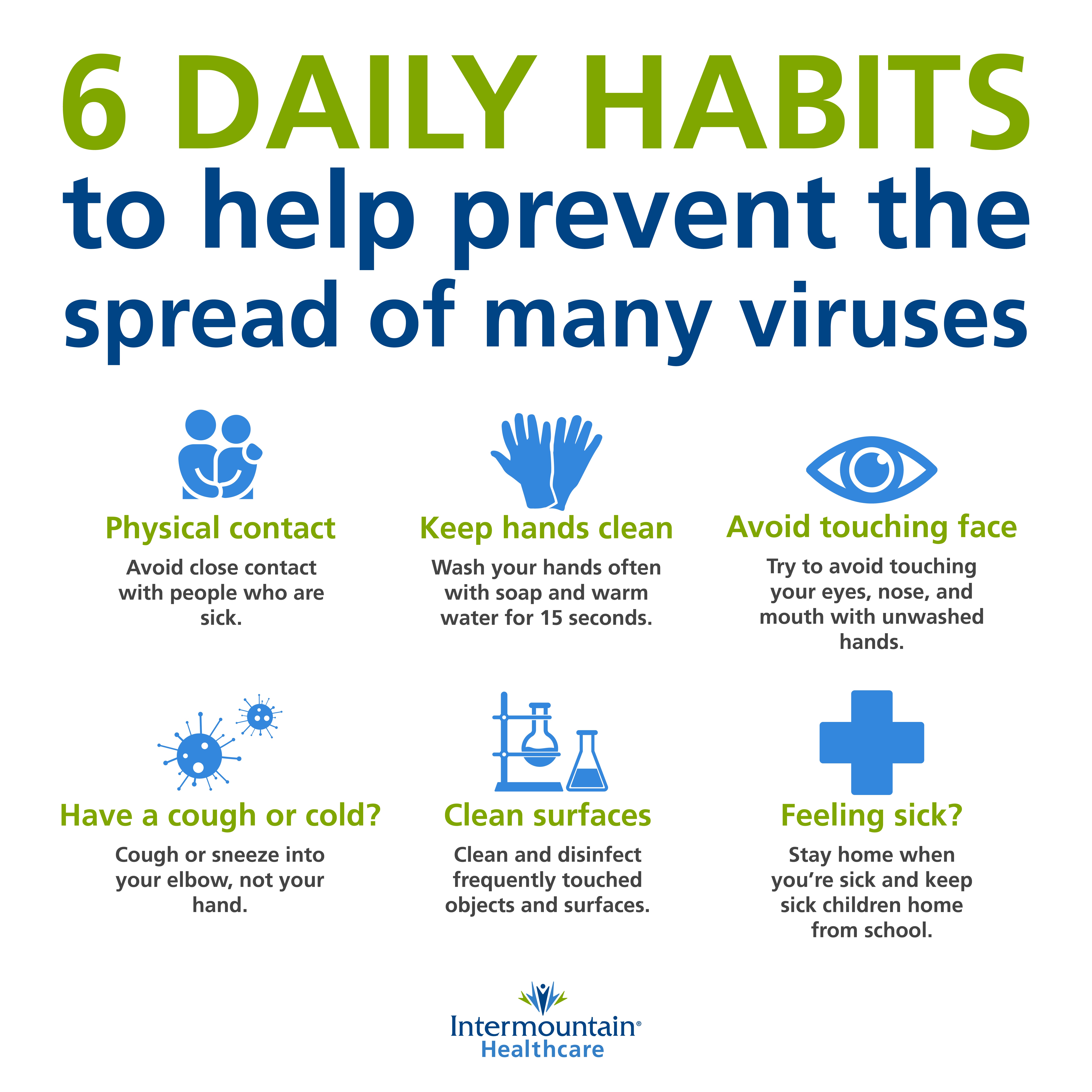
Good hygiene practices play a crucial role in preventing the spread of illnesses within the family. By following simple hygiene routines, you can reduce the risk of infections and keep your loved ones healthy.
Checklist of Hygiene Practices
- Regular handwashing with soap and water for at least 20 seconds.
- Covering your mouth and nose with a tissue or your elbow when coughing or sneezing.
- Avoiding close contact with sick individuals.
- Cleaning and disinfecting frequently-touched surfaces in your home.
- Properly storing and handling food to prevent contamination.
Regular Handwashing for Preventing Infections
One of the most effective ways to prevent common infections is through regular handwashing. Washing your hands with soap and water can help remove germs and prevent them from spreading to others. Encourage your family members to wash their hands:
- Before eating meals or snacks.
- After using the bathroom.
- After coughing, sneezing, or blowing their nose.
- After touching pets or handling garbage.
Immunization Importance
Immunization plays a crucial role in preventing illnesses by stimulating the body’s immune system to develop protection against specific diseases. Vaccines are designed to mimic the infection without causing the disease itself, allowing the immune system to recognize and remember the pathogen, so it can effectively fight off the real disease in the future.
Recommended Immunization Schedule
- Infants and Young Children: Vaccines like DTaP, MMR, Hib, and polio are recommended in the first few years of life to provide protection against serious diseases.
- Preteens and Teens: Vaccines such as HPV, Meningococcal, and Tdap are recommended during this age group to prevent infections and diseases that can be common in adolescents.
- Adults: Vaccines like influenza, shingles, and pneumococcal are recommended for adults to maintain immunity and prevent illnesses, especially in older age.
Vaccines and Community Health
Vaccines not only protect individuals but also contribute to community health by creating herd immunity. When a large portion of a community is vaccinated against a disease, it becomes harder for the disease to spread, protecting those who cannot be vaccinated due to age, health conditions, or other reasons.
This helps prevent outbreaks and protects the most vulnerable populations in society.
Conclusive Thoughts: Top Family Health Tips To Prevent Common Illnesses
In conclusion, prioritizing family health through proactive measures can lead to a harmonious and illness-free environment for all members. By implementing the tips Artikeld in this guide, families can strengthen their overall well-being and create a foundation of lasting health and vitality.
FAQ Explained
How important is family health for overall well-being?
Family health is crucial as it not only impacts individual well-being but also creates a supportive environment for all members to thrive and lead fulfilling lives.
What are some examples of family-friendly physical activities?
Family-friendly physical activities can include walks in the park, bike rides, swimming, or even family dance sessions at home.
Why is handwashing important in preventing common infections?
Regular handwashing is vital as it helps to remove germs and bacteria that can cause various illnesses, thus reducing the risk of infections spreading within the family.