
 irwan irwan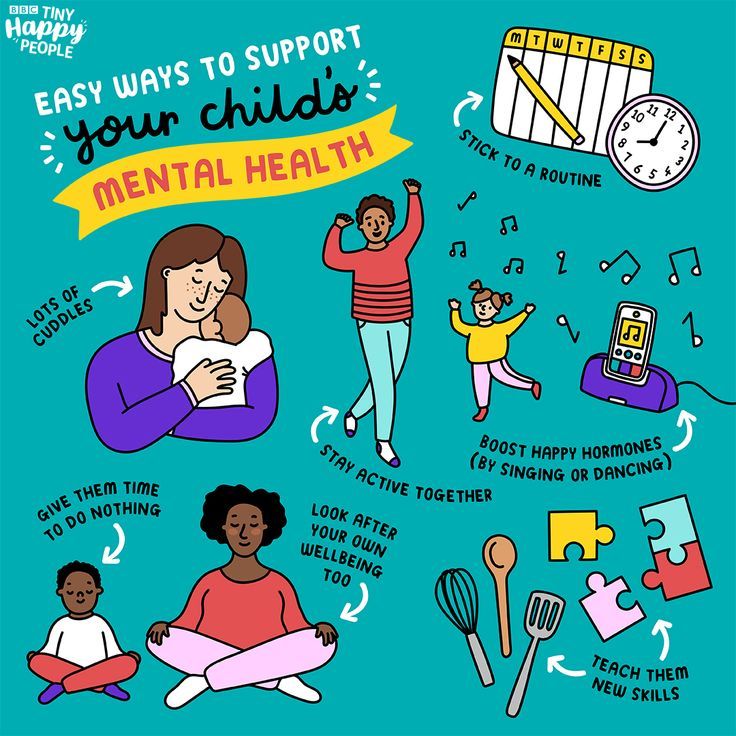
Kicking off with Family Health Tips to Support Children’s Mental Health, this opening paragraph is designed to captivate and engage the readers, setting the tone contemporary youth jogja style that unfolds with each word.
Family plays a crucial role in shaping a child’s mental health and overall well-being. By implementing healthy lifestyle habits, fostering open communication, managing stress and anxiety, and setting boundaries and limits, parents can create a supportive environment that promotes positive mental health in children.
Importance of Family Support

Family support plays a crucial role in promoting children’s mental health and overall well-being. When children feel supported and loved by their families, they are more likely to develop positive self-esteem, resilience, and coping skills to navigate life’s challenges.
Examples of Family Activities
- Regular family meals: Eating meals together as a family provides an opportunity for open communication, bonding, and a sense of belonging.
- Outdoor activities: Engaging in outdoor activities such as hiking, biking, or playing sports together can help reduce stress and improve mood.
- Arts and crafts: Encouraging children to express themselves through creative activities like drawing, painting, or crafting can boost their self-esteem and emotional well-being.
Strategies for Creating a Supportive Environment
- Open communication: Create a safe space for children to express their thoughts and feelings without fear of judgment.
- Set boundaries: Establish clear and consistent boundaries to provide structure and security for children.
- Encourage independence: Foster independence by allowing children to make age-appropriate choices and decisions.
Healthy Lifestyle Habits

Eating a nutritious diet, engaging in regular physical activity, and getting enough sleep are essential components of a healthy lifestyle that can significantly impact children’s mental well-being.
The Role of Healthy Eating Habits
Maintaining a balanced diet rich in fruits, vegetables, whole grains, and lean proteins is crucial for supporting children’s mental health. Nutrient-dense foods provide the necessary vitamins and minerals that support brain function and emotional well-being. Encouraging children to limit the consumption of processed foods and sugary snacks can help stabilize their mood and energy levels.
Importance of Regular Physical Activity
Physical activity plays a vital role in promoting children’s mental health by releasing endorphins, which are known as “feel-good” hormones. Regular exercise not only helps reduce stress and anxiety but also improves cognitive function and concentration. Encouraging children to participate in activities they enjoy, such as sports or outdoor play, can boost their overall mood and self-esteem.
Tips for Creating a Balanced Routine
- Establish a consistent bedtime routine to ensure children get an adequate amount of sleep each night.
- Encourage relaxation techniques such as deep breathing exercises or mindfulness activities to help children unwind and manage stress.
- Limit screen time before bedtime to promote better sleep quality.
- Incorporate family meals into your daily routine to foster connection and communication with your children.
Open Communication: Family Health Tips To Support Children’s Mental Health

Effective communication within the family plays a crucial role in supporting children’s mental health. When children feel heard, understood, and supported, they are more likely to develop strong emotional resilience and coping skills. Encouraging open communication can help children express their feelings, thoughts, and concerns in a safe and nurturing environment.
Benefits of Open Communication, Family Health Tips to Support Children’s Mental Health
- Builds trust and strengthens relationships: Open communication fosters trust between family members and creates a supportive atmosphere where children feel comfortable sharing their emotions.
- Promotes emotional intelligence: By encouraging children to express their feelings, parents help them develop emotional awareness and learn how to regulate their emotions effectively.
- Enhances problem-solving skills: When children feel free to communicate openly, they are more likely to seek help when facing challenges and work collaboratively with family members to find solutions.
Examples to Encourage Communication
- Set aside dedicated family time for discussions where everyone can share their highs and lows of the day.
- Ask open-ended questions that require more than a simple yes or no answer to encourage deeper conversations.
- Be an active listener by maintaining eye contact, nodding, and validating your child’s feelings without judgment.
Importance of Active Listening
Active listening is a vital component of effective communication within the family. When parents practice active listening, they show genuine interest in their children’s thoughts and emotions, which strengthens the parent-child bond and fosters a sense of security.
“Active listening involves not only hearing what your child is saying but also understanding their perspective and providing empathetic responses.”
Managing Stress and Anxiety
Stress and anxiety are common experiences for children, especially in today’s fast-paced and demanding world. As parents, it is crucial to help children develop healthy coping mechanisms to deal with these challenges effectively.
Teaching Relaxation Techniques
Introducing relaxation techniques to children can significantly reduce stress and anxiety levels. Encourage activities such as deep breathing exercises, progressive muscle relaxation, mindfulness meditation, or visualization. These techniques can help children calm their minds and bodies, promoting a sense of peace and well-being.
Creating a Calm Environment
A supportive and calm environment at home plays a vital role in helping children manage stress and anxiety. Establishing routines, providing a quiet space for relaxation, and limiting exposure to stressful stimuli like excessive screen time or loud noises can contribute to a sense of security and stability for children.
Additionally, engaging in calming activities together as a family, such as reading, drawing, or spending time outdoors, can foster positive emotional well-being.
Encouraging Open Communication
Communication is key in helping children navigate stress and anxiety. Encourage your child to express their feelings and concerns openly. Listen attentively, validate their emotions, and offer reassurance and support. By creating a safe space for open communication, children feel heard and understood, which can alleviate feelings of stress and anxiety.
Seeking Professional Help
If stress and anxiety persist or significantly impact your child’s daily life, consider seeking professional help. A mental health professional can provide additional support, guidance, and resources to help your child manage their emotions effectively. Remember, it is okay to ask for help when needed, and seeking professional assistance is a proactive step towards promoting your child’s mental well-being.
Setting Boundaries and Limits
Setting boundaries and limits is crucial for children’s mental health as it helps them understand expectations, feel secure, and develop a sense of self-control. When parents establish clear rules and boundaries, children are more likely to thrive emotionally and behaviorally.
Establishing Clear Rules and Expectations
Parents can establish clear rules and expectations by communicating openly with their children. It is important to set boundaries that are age-appropriate and consistent. For example, parents can create rules around screen time, bedtime routines, and behavior expectations. By doing so, children know what is expected of them and feel safe within these boundaries.
- Screen Time: Limiting the amount of time children spend on electronic devices can help promote healthy habits and reduce the risk of screen addiction.
- Bedtime Routines: Having a consistent bedtime routine can improve sleep quality and overall well-being for children.
- Behavior Expectations: Setting clear expectations for behavior, such as being respectful to others and following household rules, can help children understand boundaries and develop self-discipline.
Concluding Remarks
In conclusion, implementing these family health tips can significantly impact children’s mental health, ensuring they grow up with a strong foundation of well-being and resilience. By prioritizing these strategies, parents can support their children in navigating the challenges of growing up in today’s world.
Detailed FAQs
How can family support contribute to children’s mental health?
Family support provides a sense of security and stability, fostering positive emotional development in children.
What are some examples of family activities that can positively impact children’s mental health?
Activities like family outings, game nights, and shared meals can strengthen family bonds and enhance mental well-being.
Why is open communication important for children’s mental health?
Open communication allows children to express their feelings, thoughts, and concerns, promoting emotional well-being and building trust within the family.
How can parents help children cope with stress and anxiety?
Parents can teach relaxation techniques, encourage healthy coping mechanisms, and create a calm environment during stressful times.
What is the significance of setting boundaries and limits for children’s mental health?
Setting boundaries helps children feel secure, understand expectations, and develop self-discipline, contributing to their overall mental well-being.